PMI is a company founded and run by rescuers, cavers, climbers, rope access technicians and mountaineers. We regard your gear as though we’re working alongside you, because we are.
Read Part 1 Read Part 2 Read Part 3 Read Part 4 This is the fourth and final post in a series breaking down the proposed changes to NFPA 2500, the consolidated standard merging NFPA 1670, ...
Read Part 1 Read Part 2 Read Part 3 Read Part 4 This is the third in a four-part series on the NFPA 2500 standard and what its proposed updates mean for technical rescue professionals. If ...
Read Part 2 Read Part 3 Read Part 4 In rope rescue, nobody shows up hoping their gear or skills “should be good enough.” Every haul system, harness, and anchor line gets rigged with purpose, and ...
Read Part 1 Read Part 2 Read Part 3 Read Part 4 Rescue doesn’t happen in ideal conditions. You might be suspended against a cliff face, crawling through a crushed floor system, or cutting into a ...
The ANSI Z459 Rope Access Standard went into full effect in August 2022, and has been well-received by employers who are using it to help build compliance into their work at height programs. The ANSI Z459.1 ...
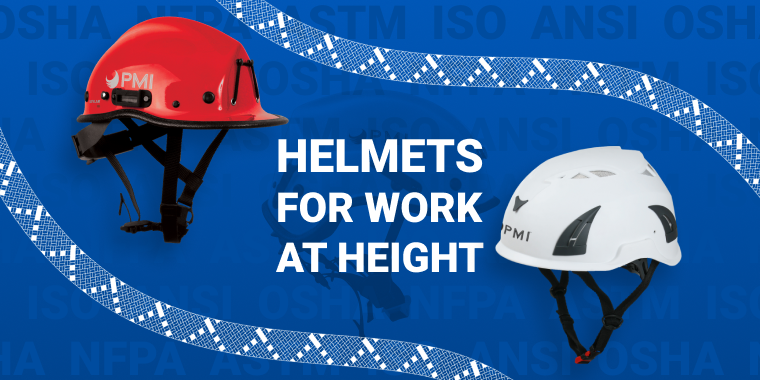
It is understandable why a rescue worker expected to work-at-height would need specific safety gear. Helmets are one of the most important pieces of Personal Protective Equipment (PPE) needed to keep a worker safe during activities ...
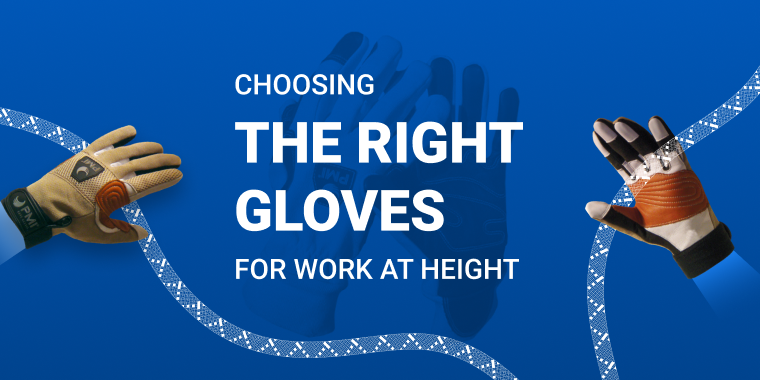
If your occupation involves you to work at height, choosing the right personal protective gear is the top priority to avoid workplace injuries. A key element of personal protective gear is your work gloves. Working at height ...
<< Back to Part 1 << Back to Part 2 “Unless you are a fire department, NFPA is probably not the right resource to guide you” On the topic of standards and regulation, sometimes people ...
If the majority of your rescue operations are in an industrial or confined space environment, choosing a full body harness that meets ANSI Z359 and/or NFPA 1983 Class 3 requirements, with lots of metal D rings ...
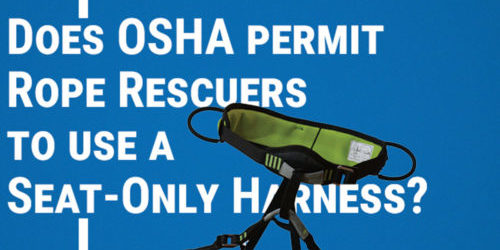
With the many different types of harnesses – and related standards – pertaining to work at height in the USA, this is a question that can cause a great deal of confusion for Rescue Team administrators ...
We use browser cookies to improve our service. By continuing to use the pmirope.com website without changing your settings, you consent to the use of your cookies.